

When a company or a self-employed worker (autónomo) runs into cash-flow difficulties, deferring Social Security debts is a legal mechanism that allows outstanding payments to Spain’s General Treasury of Social Security (TGSS) to be reorganised, avoiding more costly outcomes such as seizures or penalties.
Key points
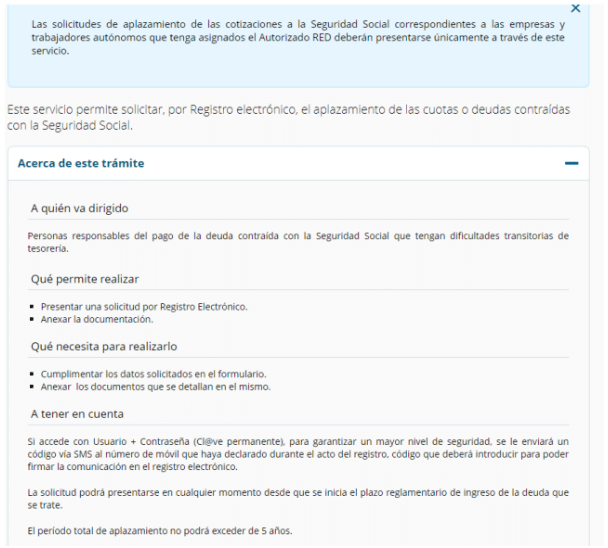
- Deferring Social Security debts lets you spread your payments over time, for a maximum of 5 years.
- Not all debts can be deferred: contributions for workplace accidents and the employee’s own contribution are excluded.
- As a general rule, sufficient guarantees are required, although there are regulated exceptions.
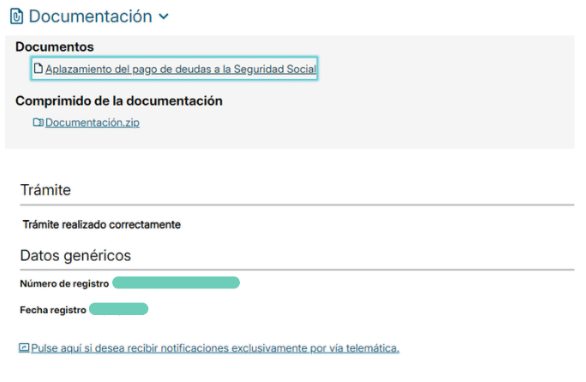
- The application is submitted using forms TC 17/10, TC 17/11 and TC 17/12, at the Social Security office or online.
- The TGSS must issue a decision within a maximum of 3 months.
- If granted, the debtor is treated as up to date with payments; if the plan is broken, it is revoked and the full debt is reclaimed.
What is a Social Security debt deferral?
Deferring Social Security debts is an administrative decision that authorises the debtor to pay their obligations outside the originally set deadline, splitting the amounts into longer instalments suited to their financial situation. The aim is to make it easier to meet obligations and to allow the debtor to be considered up to date with payments, which can be a requirement for tenders, subsidies or public aid.
Which debts can be deferred and which cannot?
It’s important to check with a professional adviser whether your specific debts can be deferred.
Debts that can be deferred
- Contributions and surcharges within the collection remit of Social Security.
- Surcharges on economic benefits for workplace accidents or occupational illnesses, provided sufficient guarantees are offered to cover that debt.
Debts that cannot be deferred
- Contributions relating to workplace accidents and occupational illnesses.
- Contributions made by employees and equivalent workers.
- These must be paid within the deadline set out in the deferral decision.
Who can apply?
The application must be submitted by the person responsible for paying the debt, whether a self-employed worker or a company’s legal representative. The TGSS allows the request to be made during the voluntary payment period, or even once the debt is already in enforced collection, provided no seizure of assets has been notified.
Conditions and requirements
Guarantees
- As a general rule, the Administration requires sufficient guarantees to cover the total debt, including surcharges, interest and costs.
- Regulatory exceptions exist where no guarantee (aval) is required.
Deadlines
- The total length of the deferral plan cannot exceed 5 years.
- The application can be made at any point from the start of the statutory payment period.
Interest
- The deferral generates interest from approval until final payment. The rate applied is usually the prevailing late-payment interest rate, subject to exceptions depending on guarantees provided.
How and where to submit an application for deferring Social Security debts
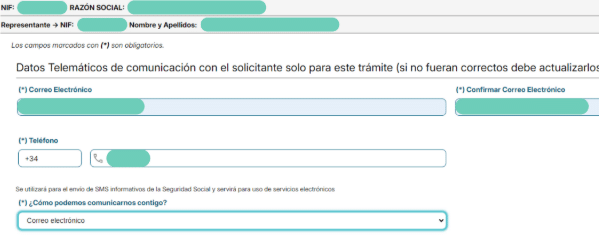
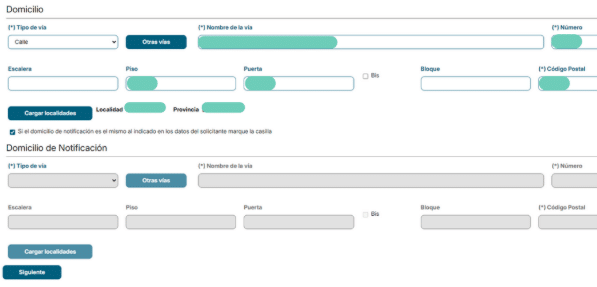
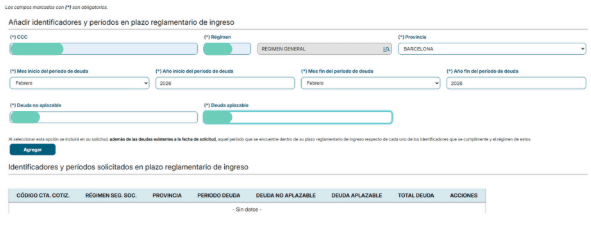
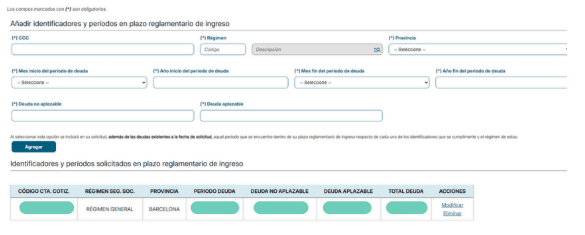
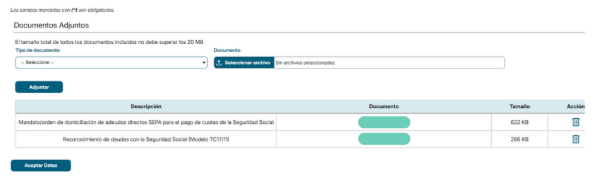
The application is submitted using Social Security’s official forms, including:
- TC 17/10: Deferral application.
- TC 17/11: Acknowledgement of debts.
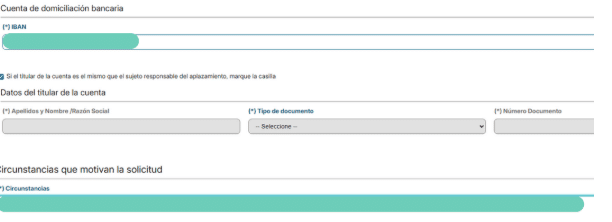
- TC 17/12: Direct debit application.
- Other documents depending on the debtor’s situation.
Submission
- Directly at the Provincial Directorate of the TGSS, the Social Security office or the Enforcement Collection Unit corresponding to your registered address or contribution account.
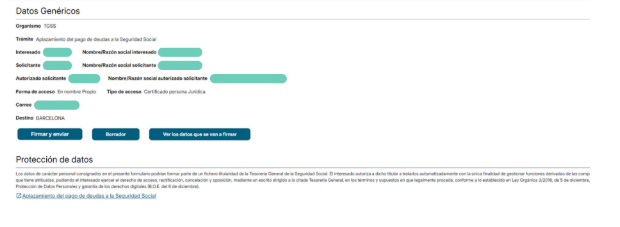
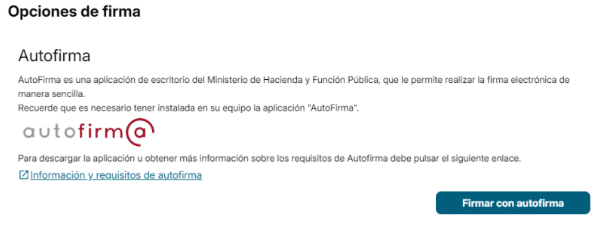
- Online, through the Social Security Electronic Office, using a digital certificate.
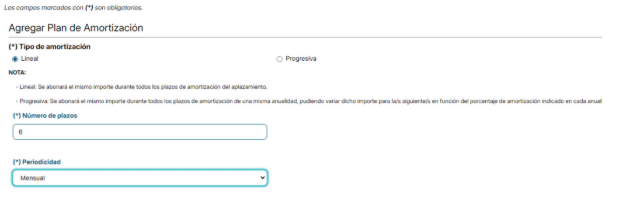
Frequency
- Monthly
- Bi-monthly
- Quarterly
- Half-yearly


Decision and correction deadlines
- The Administration must notify its decision within a maximum of 3 months from submission.
- If documentation is missing or there are errors, 10 days are given to correct the file.
Effects of a granted deferral
If the application is accepted and the conditions are met:
- The collection procedure for the deferred debts is suspended.
- The debtor is considered up to date with payments.
- Certificates confirming this status can be obtained, which are needed for many commercial and administrative procedures.
What happens if the payment plan is not met
Breaching any of the agreed instalments leads to:
- Automatic revocation of the deferral.
- Immediate claim of the full outstanding debt, including surcharges and interest.
Refusal of applications
The TGSS can refuse a deferral application in cases such as:
- Repeated breaches of previous deferrals.
- Assets already seized and authorised for sale at the time of the application.
- Where the debt eligible for deferral does not exceed twice the current Minimum Interprofessional Wage (a condition currently under debate, with a proposed change the Administration has recently raised, though not yet formally adopted).
Deferring Social Security debts is a useful tool for reorganising obligations when a company’s or self-employed worker’s cash flow is under strain. Knowing which debts can be deferred, what requirements apply and the consequences of breaching a plan is key to making informed decisions and avoiding more serious consequences.
However, when you find yourself accumulating debt after debt, it’s essential to sit down with an expert and weigh up options such as the Second Chance Law or creditors’ insolvency proceedings, and explore the alternatives before the situation becomes unmanageable.
Count on us, we can help.